A 3‑part series
This is the first in a 3‑part series on energy independence — not as a political idea, but as a question of risk, control, and resilience.
Part 1 looks at why fossil fuels make consumers and businesses vulnerable by nature.
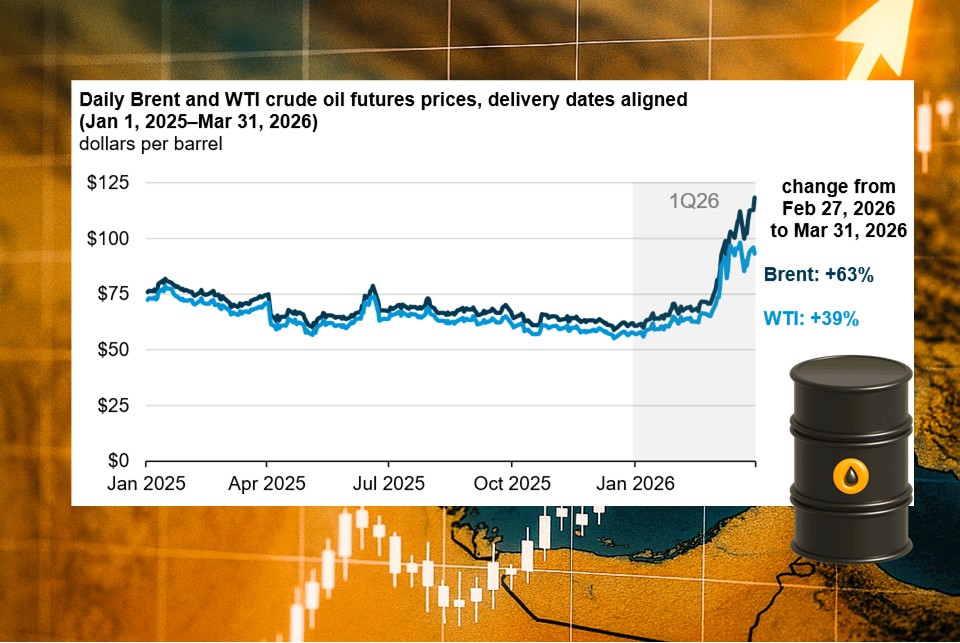
The recent escalation in the Persian Gulf has reminded us of something uncomfortable but familiar:
👉 Our energy systems are still deeply exposed to geopolitical risk.
When tensions rise in major oil‑ and gas‑producing regions, prices react almost instantly — everywhere. Not because supply suddenly disappears, but because oil and gas are global commodities.
And that has consequences:
- Prices are set on international markets
- Political events far away affect local energy bills
- Even energy‑producing countries cannot shield consumers from price swings
US oil and gas companies don’t give US consumers a “national discount.”
European producers don’t protect European households either.
Consumers and SMEs are always price takers.
There’s a second structural issue, too. Oil and gas are controlled by a relatively small number of major producers and corporations.
They earn the profits — but those profits don’t flow back in a way that stabilizes energy costs for households or small businesses.
The value is centralized.
The risk is distributed.
This isn’t about emissions or ideology.
👉 It’s about control.
As long as energy is treated purely as a global commodity, households and companies remain exposed to forces they cannot influence:
- geopolitical instability,
- corporate pricing decisions and
- market volatility.
The Persian Gulf crisis didn’t create this vulnerability.
It simply made it visible again.
Which leads to the obvious question:
How can companies and individuals gain some control over their energy costs?
👉 In Part 2, I’ll look at how renewables fundamentally change this equation — not just environmentally, but structurally.
Content Creation💡Conceived and directed by me, 📝 in collaboration with AI
#EnergyIndependence #EnergySecurity #FossilFuels #RenewableEnergy #SolarEnergy #Geopolitics #SMEs #RiskManagement
