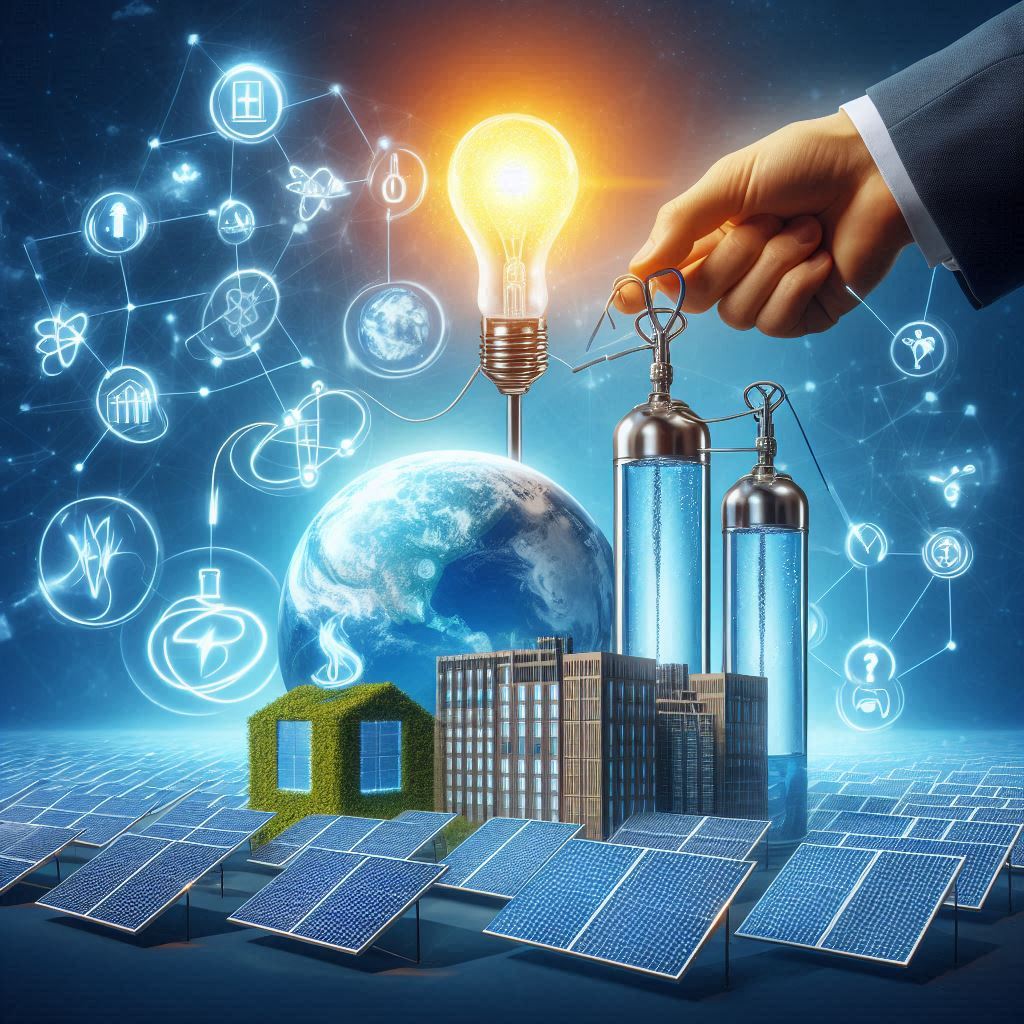
And why it makes an energy system complete
After looking at batteries (daily flexibility) and hydrogen (seasonal resilience), there’s one crucial component left:
The heat pump.
It’s the point where electricity, heat, and intelligent energy management converge — and it’s the key to making an energy system truly integrated.
♨️ Why Heat Pumps Are Central in Modern Energy Systems
Driven by climate policy, rising CO₂ costs, and massive efficiency gains, heat pumps are quickly becoming the default heating technology — in new buildings and major renovations. As heating becomes electrified, a large share of energy demand shifts onto the electrical side.
This isn’t just a technology switch — it’s a system opportunity.
Why the heat pump matters
- Controllable load: It can run when solar PV production is high.
- Thermal storage: Buildings and buffer tanks retain heat for hours.
- Flexibility: It can reduce or shift consumption when the battery or H₂ system is under load.
- Efficiency: Most heat comes from ambient energy, not electricity.
Together with PV + batteries + hydrogen storage, this means:
👉 A large portion of a company’s heating needs can be met with self‑generated, renewable electricity.
🔧 4 Key Design Considerations
To make PV, battery storage, hydrogen, and the heat pump work as a single intelligent system, four design aspects must be considered:
1. Load Profiling: Match heating needs with PV production.
2. System Sizing: Larger PV and sufficient battery capacity improve performance.
3. Seasonal Strategy: Hydrogen systems support winter electricity supply for heat pumps.
4. Smart Energy Management (EMS): Orchestrates PV, battery, hydrogen and heat pump as one system.
Without intelligent control, there is no “integrated” system — just separate components.
🧩 Bringing It All Together — The Whole Series in One Message
For SMBs navigating the energy transition, the question is no longer which single technology to invest in. The winning approach is:
- PV as the primary generator
- Battery storage for daily flexibility
- Hydrogen for long‑term seasonal resilience
- Heat pumps for efficient, controllable heat supply
This combination maximizes autonomy, resilience, and sustainability — while reducing exposure to volatile energy prices.
And this is exactly where AI‑supported content shines: transforming complex, interconnected system design into clear, actionable insights for real decision‑makers.
——–
#PV #SolarEnergy #EnergyStorage #BatteryStorage #Hydrogen #Wasserstoff #Wärmepumpe #HeatPump #SMB #Mittelstand #Energiewende #CleanTech #FutureOfEnergy
