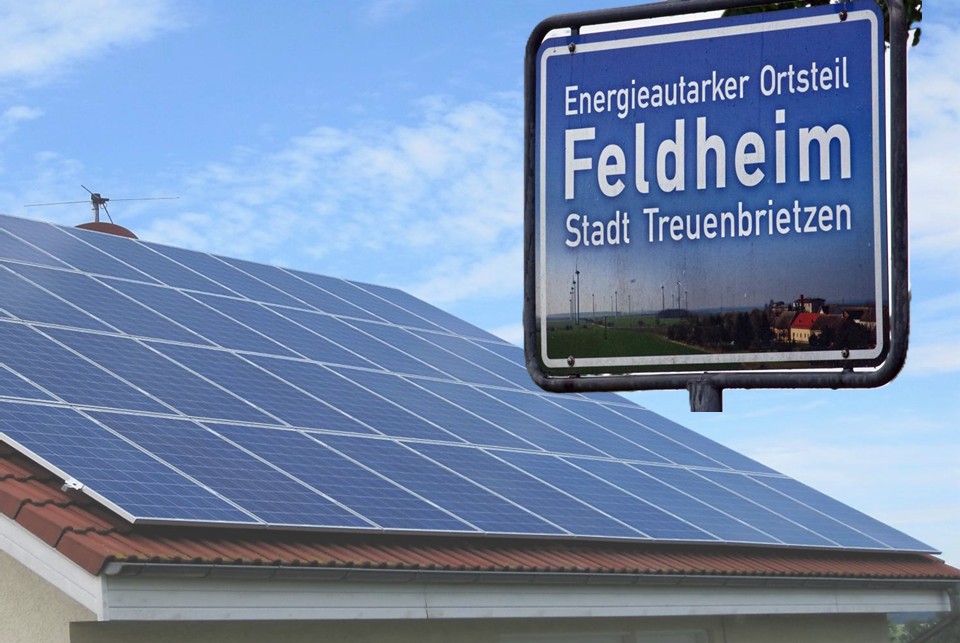
After Part 1, the big question is:
Could companies, villages, or industrial parks actually build something like Feldheim today?
The surprising answer is yes — and in many ways, it’s easier now than when Feldheim began 15–20 years ago.
Here’s why.
1️⃣ Renewable technology is far cheaper and simpler today
When Feldheim started, wind turbines were expensive, solar panels inefficient, and battery storage hardly existed.
Today:
- Wind & solar are among the cheapest energy sources worldwide
- Batteries are dramatically more affordable
- Smart‑grid components are “plug and play”
- Monitoring and control systems are mature and reliable
A “Feldheim 2.0” built today would be faster, cheaper, and easier to implement.
2️⃣ Modern storage solutions — including hydrogen
Back then, Feldheim had limited storage options.
Now, companies and communities can use:
- Hydrogen electrolysis for long‑term storage
- Hybrid systems (solar + battery + H₂)
- Thermal storage for heating networks
- Modular container batteries
This makes 24/7 renewable supply possible — even in winter.
3️⃣ Funding and subsidies are stronger than ever
Feldheim had to pioneer their system with far fewer incentives.
Today there are:
- EU programs for energy communities
- National subsidies for hydrogen, heating networks & storage
- Loans with favorable terms
- Regional development grants
- Tax incentives for renewable investments
Depending on the project, 20–60% of costs can now be subsidized.
4️⃣ Permitting and regulations are clearer
Feldheim had to figure everything out from scratch.
Now there are:
- Legal definitions for energy communities
- Standardized permitting paths for microgrids
- Clearer grid‑connection rules
- Established cooperative & ownership models
- Specialists who support exactly these projects
It’s still work — but not a wilderness anymore.
5️⃣ The reasons to do this are stronger today
Companies and communities now face:
- volatile energy prices
- CO₂ pressure
- grid bottlenecks
- high electricity and heating costs
Local energy systems are no longer a nice idea — they’re a strategic advantage.
6️⃣ What a practical start looks like
For a company, a village, or an industrial park:
- Define the goal: stability, cost reduction, independence?
- Analyze energy use and pain points
- Explore technology mix: solar, wind, biogas, battery, hydrogen
- Check available funding
- Engage early with grid operators and permitting offices
- Choose an ownership model: cooperative, GmbH, partnership
The technology exists.
The frameworks exist.
The funding exists.
Often the only thing missing is coordination — not possibility.
Up next: Part 3 — Why many still think “We can’t do this here” (and why that’s often wrong).
Content Creation💡Conceived and directed by me, 📝 in collaboration with AI
#EnergyIndependence #RenewableEnergy #CommunityEnergy #LocalEnergy #EnergyTransition #DecentralizedEnergy #Hydrogen #CleanEnergy #FutureOfEnergy #Sustainability
