…and Why Software Vendors Should Pay Attention
1️⃣In Part 1, I wrote about how SMEs often inherit their workflows — and how one non‑integratable system can quietly take control of everything around it.
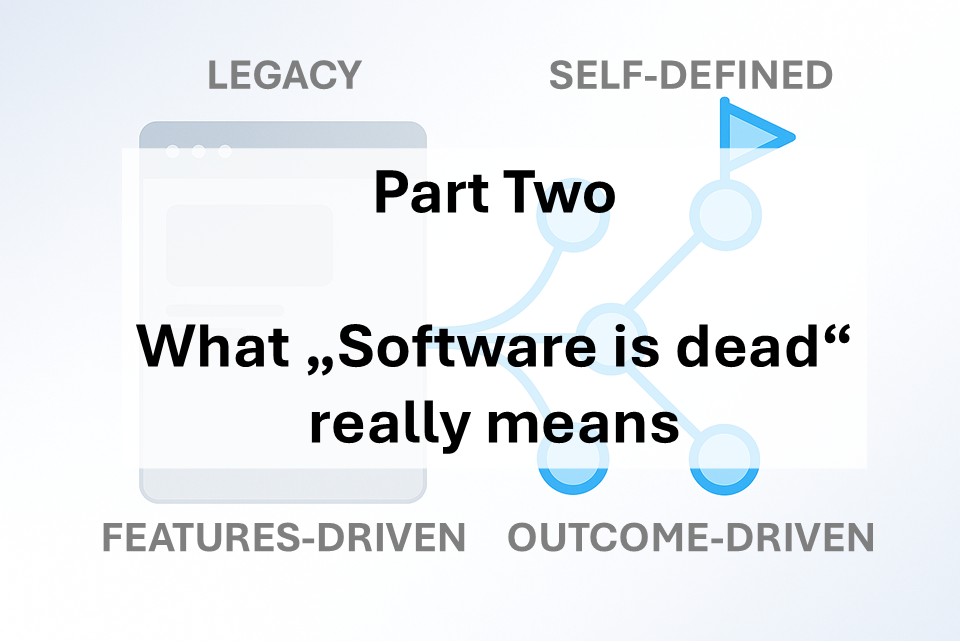
2️⃣Now in Part 2, let’s talk about what Mark Cuban actually means when he says “software is dead.”
HE’S NOT PREDICTING THE END OF SOFTWARE.
He’s saying the old model is finished — the model where vendors sell long feature lists and customers bend their work to fit whatever the software allows. That approach collapses the moment a business needs interoperability, automation, or AI‑supported workflows.
👉 And SMEs feel this even more.
They buy software for what it can do, only to discover later that it can’t connect to the rest of their digital world. Then people end up doing mindless repetition just to keep basic processes moving.
This isn’t just a problem for SMEs
It’s a warning sign for software companies.
➡️ If your product can’t integrate, you’re already behind.
➡️ If it forces your customers into manual work, you’re already replaceable.
➡️ And if you can’t explain how your system fits into a connected, AI‑ready workflow, you won’t survive the next few years.
I’ve seen this up close.
Our company uses a project admin tool that simply doesn’t integrate with anything. And I’ve said it openly to the vendor:
“If customers don’t hear about a clear path toward integration, you’ll be out of business within a year.”
Not just because of us — but because the market is moving on.
This is exactly Cuban’s point:
💥 Software that can’t connect, can’t evolve, and can’t support real workflows is already obsolete — even if it still sells today.
3️⃣In Part 3, we’ll look at the core SME mistake behind all of this:
Why choosing software by features (instead of outcomes) quietly destroys automation before it even starts.
Content Creation💡 Conceived and directed by me, 📝 assisted by AI
#SMEs #DigitalTransformation #SoftwareIndustry #AIIntegration #Automation #MarkCuban #FutureOfWork #AgenticEnterprise #Integration
